
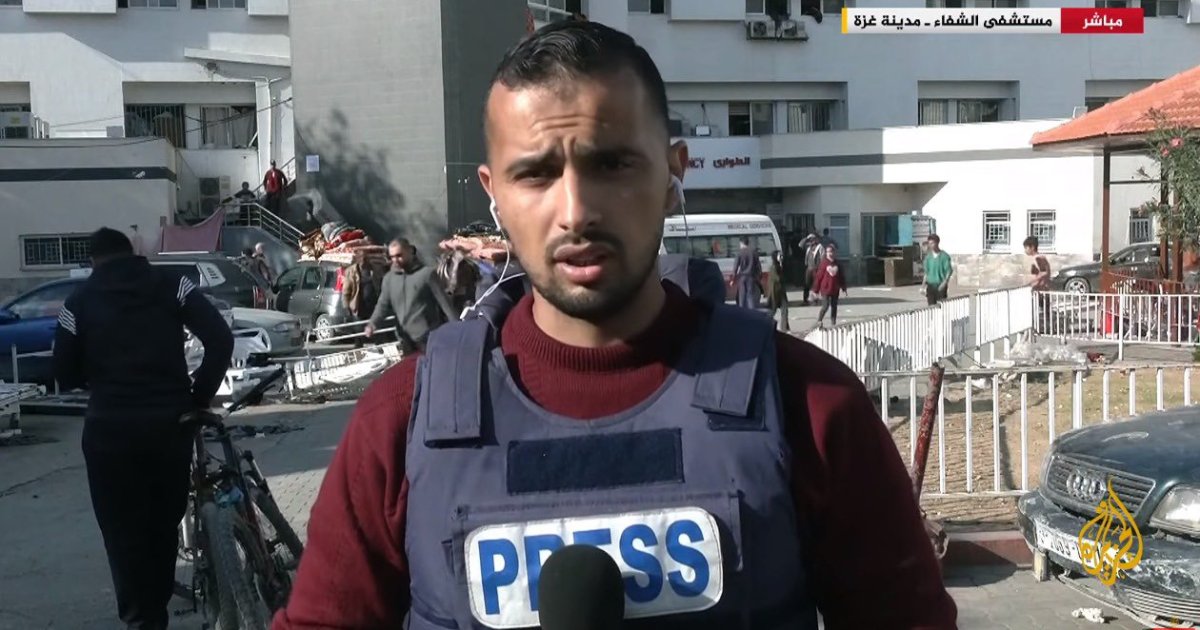

In the heart of Gaza, personal narratives weave an intricate tapestry of resilience amidst conflict. The story of Ismail al-Ghoul, who tragically lost his life while serving as a voice for his community, highlights the critical importance of journalism in times of crisis and the enduring bonds formed even in the bleakest of circumstances. This poignant recollection underscores not only the profound personal loss experienced by those who knew him but also the collective longing for peace and a return to normalcy.
On July 31, 2024, amidst an evening of shopping in Gaza City’s Remal neighborhood, a profound shift occurred for one family that would alter the course of their lives. That day, they had finally begun to feel a glimmer of hope amidst the chaos of war, as they discussed future plans to return to their home in Jabalia and rebuild what had been lost. However, that sense of normalcy was shattered when the shopkeeper, overwhelmed with emotion, shared catastrophic news: Ismail al-Ghoul, a dedicated journalist, had been targeted and killed by Israeli aircraft.
As tears streamed down her face, the narrator grappled with a painful question: Why had this happened? Ismail was not just a journalist relaying critical information about the state of Gaza; he was a friend whose vibrant spirit resonated among those he touched. He had dreams similar to many—reuniting with his wife and young daughter, Zina, who had been separated from him during the conflict.
Their first encounter took place at al-Shifa Hospital, where families sought refuge amid turmoil. As Ismail reported on the situation, he encouraged the young girl to use her voice to share Gaza’s narrative with the world. His advice, though difficult to heed in such adverse conditions, established a bond that would shape her future aspirations.
As time went on, Ismail became an integral part of their family’s life. His affection for Zina was palpable, and his hopes of seeing her again radiated during his interactions. A vividly remembered moment was when he proudly shared news of having spoken with his wife and daughter—a small but significant victory in the midst of an ongoing humanitarian crisis.
Ismail’s kindness transcended his identity as a journalist; he formed connections wherever he went, fostering camaraderie and generosity, even when resources were scarce. He often shared moments of warmth, whether it was preparing a special meal or sharing coffee with her brother.
In June 2024, as the family grappled with displacement once again, the young girl took Ismail’s message to heart. With newfound access to the internet, she explored ways to pen down Gaza’s stories, empowered by Ismail’s encouragement to share their narrative globally.
Tragically, just hours before his untimely death in July 2024, Ismail shared a final coffee with her brother, leaving behind his cap and thermos in the family’s car—symbols of his warmth and friendship. After the Israeli military ordered their evacuation just days later, the family lost everything, even these cherished reminders.
Two years have passed since Ismail’s passing, yet his impact remains indelible. His life represented not just that of a journalist but also of a husband, father, and friend whose kindness enlightened those around him. For the young girl he inspired, her pledge to continue advocating for Gaza’s story stands as a testament to his legacy—a commitment to ensure that the world hears their stories of resilience, love, and hope amidst adversity.
#CultureNews #MiddleEastNews