
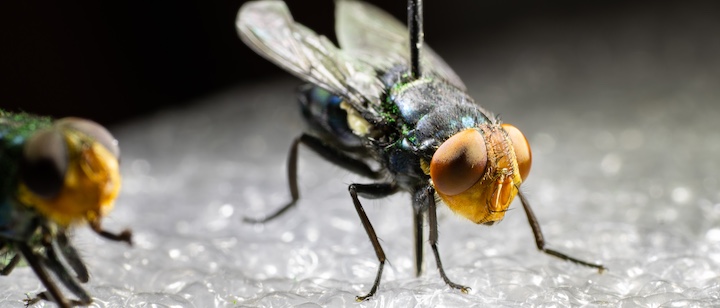

In recent months, the reemergence of the New World screwworm, a parasitic fly known for its detrimental effects on livestock, has stirred considerable debate among American politicians. Both Democratic and Republican leaders have sought to attribute the arrival of this invasive species in the United States to the failures of preceding administrations, particularly targeting those of Donald Trump and Joe Biden. However, experts in the field urge that the issue is far more nuanced, suggesting that assigning blame to one administration does not capture the complexity of the situation.
The U.S. Department of Agriculture confirmed the first detection of the New World screwworm in a calf in Texas on June 3, marking a significant threat to the cattle industry, which has already been affected by rising beef prices due to the pest’s presence in Mexico. The Biden administration has since allocated approximately 5 million in emergency funding to curb the infestation, demonstrating a proactive response to the crisis.
Political leaders, however, have engaged in a blame game. Democrats, including Representative Ted Lieu, have pointed fingers at the Trump administration for cuts to the U.S. Department of Agriculture’s (USDA) Animal and Plant Health Inspection Service (APHIS), which have allegedly compromised the agency’s ability to prevent such outbreaks. In contrast, Republicans have argued that Biden’s immigration policies facilitated the entrance of the screwworm into the country, claiming that an influx of migrants from Central America may have contributed to the pest’s spread.
Entomologists and experts, however, emphasize that the return of the screwworm reflects deeper systemic issues that transcended administrations. Inadequate monitoring, workforce shortages, and historical underfunding of preventive measures collectively contributed to this reemergence. David Taylor, an entomology professor, asserted that neither administration bears outright responsibility for the outbreak, instead advocating for a broader examination of agricultural policy concerning pest control at multiple organizational levels.
The New World screwworm was once eradicated from the U.S. through innovative measures such as the release of sterile flies, an achievement hailed as a scientific marvel. After decades of successful management, the parasite’s comeback signals the need for renewed commitment and resources to safeguard the agricultural landscape.
Experts like Joseph Annelli argue that the issues surrounding screwworm management originated long before the current political discourse and are fundamentally related to management failures over time. The focus must shift from partisan blame to collaborative efforts aimed at strengthening the infrastructure designed to control invasive species.
Ultimately, bipartisan cooperation, supported by ongoing funding for research and emergency preparedness, will be essential to tackling the resurgence of the New World screwworm and ensuring the vitality of the U.S. cattle industry.
#PoliticsNews #AgricultureNews