
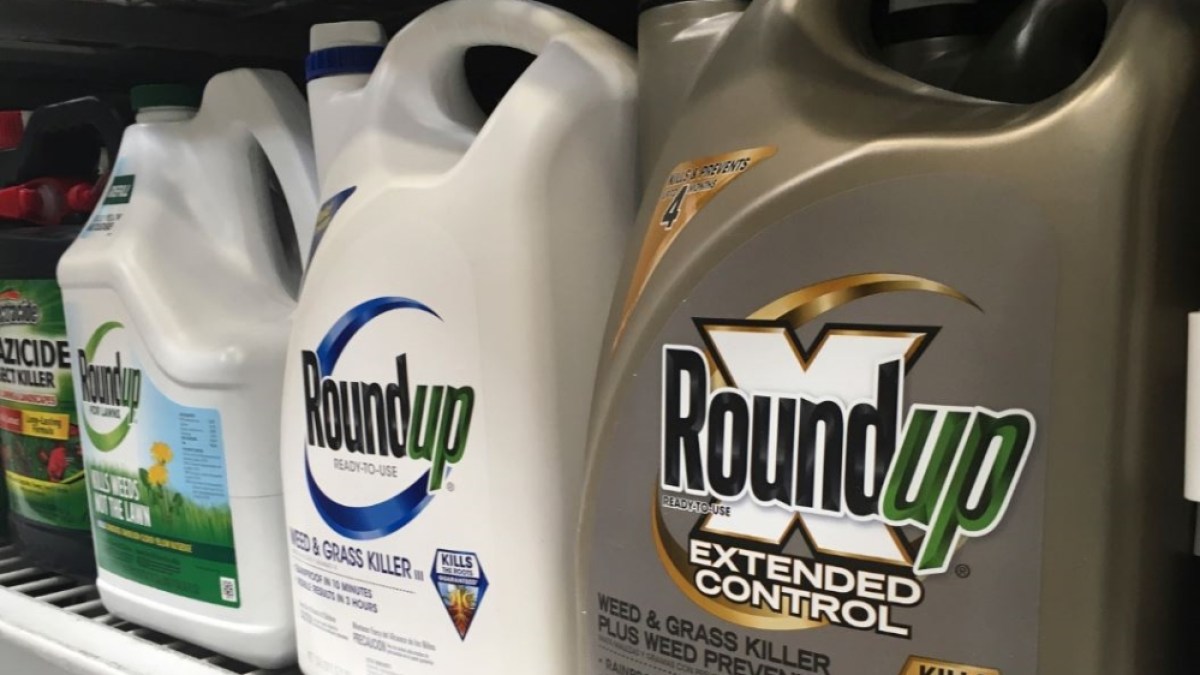

In a landmark decision, the United States Supreme Court has ruled in favor of Bayer, the manufacturer of Roundup weedkiller, effectively blocking numerous lawsuits claiming the product could cause cancer. This critical ruling underscores the ongoing tension between regulatory approvals and public health concerns while highlighting Bayer’s significant presence in the agricultural industry after its acquisition of Monsanto. As the legal landscape surrounding glyphosate continues to evolve, the implications of this decision may resonate through the agricultural sector and beyond.
The United States Supreme Court has delivered a significant ruling favoring Bayer, the maker of the widely used herbicide Roundup, effectively blocking thousands of lawsuits that alleged the product could cause cancer. This ruling, handed down on Thursday, came in the wake of extensive litigation following Bayer’s acquisition of Monsanto, the original producer of Roundup, for billion in 2018. The court’s decision represents not only a reprieve for Bayer amid a torrent of legal challenges but also sheds light on the complexities of federal vs. state regulations concerning herbicides.
The Supreme Court, in a decisive 7-2 ruling, determined that Bayer could not face failure-to-warn lawsuits in state courts due to existing federal regulations, which suggest the likelihood of a cancer link from glyphosate—the active ingredient in Roundup—is minimal. The justices overturned a Missouri jury verdict that awarded .25 million to John Durnell, who claimed that his non-Hodgkin lymphoma was a result of long-term glyphosate exposure. The court ruled that federal law governing pesticides prevented such state-level claims from advancing, thereby stymieing a legal pathway for future plaintiffs.
Conservative Justice Brett Kavanaugh, who authored the majority opinion, noted that the Environmental Protection Agency (EPA) has consistently found no sufficient evidence linking glyphosate to cancer, thus not mandating a warning label. This ruling has sparked a significant response in the financial markets, with Bayer’s stock experiencing a nearly 18 percent surge following the announcement.
The ruling represents a political victory for former President Donald Trump’s administration; nevertheless, it poses challenges for those advocating for reduced pesticide use as part of the “Make America Healthy Again” movement. The would-be impact on consumer and agricultural health remains an ongoing concern.
Liberal Justice Ketanji Brown Jackson, along with conservative Justice Neil Gorsuch, dissented, arguing that the ruling unreasonably restricts access to the courts for individuals who claim harm from such products. Jackson described the ruling as “remarkable and regrettable” for essentially shutting the door on state-level tort claims related to product labeling.
This case adds another layer to Bayer’s troubled legacy since acquiring Monsanto, with over 100,000 plaintiffs seeking damages for alleged health risks associated with glyphosate. The legal landscape has already compelled Bayer to withdraw glyphosate from its consumer-dependent products. Bayer has reiterated throughout the litigation its position that existing EPA findings mandate the labels currently in use, with no additional cancer warnings required.
Facing potential liabilities totaling billions, Bayer proposed a .25 billion settlement earlier this year to address numerous ongoing lawsuits, though this would not resolve all claims connected to glyphosate. In response to the ruling, Bayer spokesperson Tino Andresen stated that the Supreme Court’s decision is a vindication of scientific integrity, promoting clarity for farmers and industries reliant on regulatory consistency amid innovation.
Environmental advocates have voiced their concerns regarding the ruling, labeling it a setback for public health initiatives. Groups such as Food and Water Watch have been vocal opponents, arguing that this ruling could exacerbate public health crises related to chronic illnesses and environmental safety.
Looking forward, fund manager Markus Manns from Union Investment suggested this ruling marks a turning point for Bayer, indicating that navigating future lawsuits will be more challenging for claimants, potentially ushering in a new operational phase for the company if current settlements are accepted.
In summary, while the Supreme Court ruling has set a precedent that bolsters Bayer’s operational strategy surrounding glyphosate, ongoing dialogues about health safety and regulatory practices will undoubtedly continue to unfold. The landscape of agricultural chemicals, their regulation, and their societal impacts remains a focal point of public interest and scrutiny.
#HealthNews #PoliticsNews