
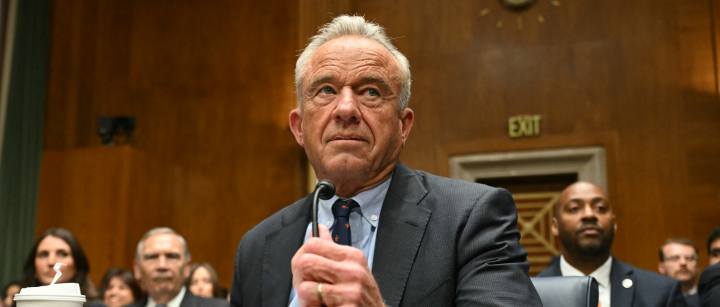

In a recent analysis of the One Big Beautiful Bill Act (OBBBA), the nonpartisan Congressional Budget Office (CBO) projected that federal Medicaid spending could be reduced by over 0 billion over the next decade. Despite this significant forecast, Health and Human Services Secretary Robert F. Kennedy Jr. asserted during a series of congressional hearings that the legislation would not result in cuts to Medicaid.
Kennedy pointed out that the CBO’s estimates also indicate a 47% increase in Medicaid spending over the next ten years, suggesting that overall expenditures are on the rise. However, health policy experts argue that the projected increase in spending does not negate the cuts implied by the enacted legislation. They contend that although total expenditures may rise due to factors like population growth and escalating healthcare costs, the actual impact of the OBBBA would lead to reduced services for many beneficiaries.
Michael S. Sparer, chair of the Department of Health Policy and Management at Columbia University, emphasized that “the notion that since Medicaid spending overall will continue to rise means that there are no cuts is simply false.” This perspective underscores the notion that the rise in Medicaid spending would have been considerably higher without the provisions of OBBBA.
During the hearings, Kennedy faced extensive challenges from Democratic lawmakers, including Sen. Tina Smith of Minnesota, who argued that the previous administration’s policies had enacted “the biggest cuts to Medicaid in the history of that program.” Kennedy maintained that the CBO’s projections support his position, citing their estimates of increasing Medicaid spending as evidence against claims of significant cuts. However, Democratic senators pointed out that the CBO also anticipates a rise in the uninsured population due to the new legislation, which speaks to the potential consequences for those depending on Medicaid services.
Kaiser Family Foundation (KFF) studies further corroborate that the OBBBA’s approach to Medicaid would result in a substantial cut of approximately 1 billion, primarily through the introduction of new work requirements and restrictions on state funding methods. This reduction directly affects millions, particularly those with complex needs who might face challenges due to bureaucratic hurdles installed by the legislation.
Healthcare experts have noted that the implications of the OBBBA could be particularly detrimental, stating that it could lead to a decrease in healthcare access for many. The reality reflected by these analyses suggests that while federal spending might increase nominally, the quality and accessibility of care could suffer as a result of the policy changes outlined in the new legislation.
Despite ongoing debates, the Department of Health and Human Services has framed the changes as a necessary re-evaluation of the Medicaid system aimed at curtailing waste and ensuring the program effectively supports those who most need assistance. The assertion that these adjustments do not constitute cuts is being met with increasing skepticism from various stakeholders in the health policy community.
As discussions continue in the halls of Congress, the complexities surrounding healthcare funding and access remain at the forefront of national dialogue, emphasizing the need for clarity and accountability in policymaking as it pertains to the nation’s most vulnerable populations.
#PoliticsNews #HealthNews