
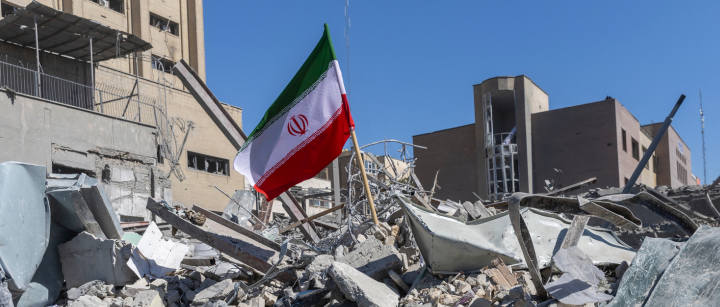

In the wake of recent joint military airstrikes conducted by the United States and Israel, which resulted in the death of Iran’s Supreme Leader, Ayatollah Ali Khamenei, the legality of such actions has attracted considerable scrutiny and debate among politicians and legal experts alike. Prominent Democrats have expressed concerns regarding President Donald Trump’s authority to unilaterally initiate military operations without prior congressional approval, as detailed by ZezapTV.
According to a traditional interpretation of the U.S. Constitution, Congress holds the exclusive power to declare war, as stipulated in Article I, Section 8. This law has long established that any military engagement involving the U.S. should require legislative consent, particularly for actions viewed as significant acts of war. Despite this framework, historical precedent reveals that numerous presidents, including Trump, have engaged in military action without seeking such approval from Congress, raising questions about the balance of power between the legislative and executive branches.
Shortly after the strike on February 28, several Democratic leaders publicly criticized the president for his actions. Arizona Senator Ruben Gallego condemned the military operation as an illegal engagement without congressional authorization, emphasizing a lack of long-term strategy for such involvement. Virginia Senator Tim Kaine echoed these sentiments, asserting that the president had misinterpreted the constitutional clauses. He stressed that the president could respond to imminent threats without congressional approval but failed to justify a preemptive military strike.
In contrast, Secretary of State Marco Rubio defended the administration’s actions by indicating that notification was provided to congressional leadership to comply with existing laws. This notification included members of the “Gang of Eight,” a select group of congressional leaders who are briefed on national security matters, but it sparked further debate about the adequacy of such communication in fulfilling constitutional obligations.
Legal experts remain divided on the interpretation of the War Powers Resolution and the executive branch’s capacity to utilize military force without congressional approval. While some argue that the president is obliged to obtain authorization from Congress, others suggest that as long as military actions do not lead to prolonged engagements, unilateral decisions may be permissible.
Critics assert that the ongoing reliance on presidential discretion concerning military action undermines the constitutional framework designed to maintain a balance of power. The potential introduction of war powers resolutions in Congress could renew the dialogue around legislative control over military engagements, emphasizing the need for legislative accountability in matters of national security.
As lawmakers contemplate their responses to the escalating situation with Iran, the implications of these military actions extend beyond constitutional debates. They provoke broader discussions about foreign policy direction, regional stability, and the importance of collaborative governance in addressing threats to national security.
#PoliticsNews #MiddleEastNews