
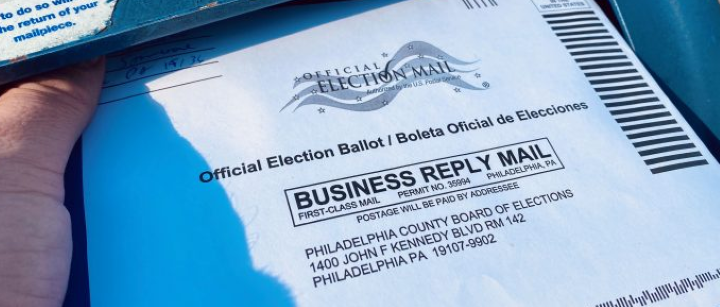

A recent social media post amplified by influential figures, including Elon Musk and former President Donald Trump, has revived a long-debunked claim regarding mail-in voting in Pennsylvania during the 2020 presidential election. The assertion that Pennsylvania sent out 1,823,148 mail-in ballots while receiving approximately 2.5 million back has been persistently proven false.
The Pennsylvania Department of State’s comprehensive report on the 2020 election provides clear data that counters this claim. The report states that 2,673,272 mail-in ballot applications were approved, corresponding to the number of ballots sent out. Of those, 2,273,490 votes were successfully cast, along with an additional 374,659 absentee ballots, all managed within the appropriate regulatory framework. This statistics-driven approach underscores the integrity of the election process in Pennsylvania, a state pivotal to the overall electoral outcome.
Experts have also remarked on this misinformation, with Charles Stewart III, director of the MIT Election Data and Science Lab, indicating that the confusion arises from conflating figures from the primary and general elections. During the primary, around 1.8 million mail-in and absentee ballots were approved, with nearly 1.5 million cast. The post in question inaccurately combines these statistics, misleading the public about the election’s processes.
The escalation of such unfounded claims has been a recurring theme in the political discourse surrounding mail-in voting. Former President Trump has consistently argued against mail-in voting except in specific circumstances, positing it as a potential avenue for electoral fraud. This rhetoric has gained traction, especially following endorsements by public figures like Musk, who advocate for heightened scrutiny of the mail-in voting system.
Current legislative developments, such as the SAVE America Act, are also noteworthy. This proposed legislation would significantly tighten identification requirements for voters, although it does not fully abolish mail-in voting. Instead, it aims to ensure that all voters have proper identification, while maintaining access to mail-in ballots to accommodate those who are unable to vote in person for valid reasons.
The broader national context shows that mail-in voting has gained widespread acceptance, with several states conducting elections predominantly by mail. A total of eight states, along with Washington, D.C., have made mail-in voting a standard practice, while an additional 28 states, including Pennsylvania, offer “no excuse” mail-in voting options. Such frameworks underline the commitment to ensuring that every eligible citizen can participate in the democratic process.
Despite the continued spread of misinformation, official data is readily available to the public, reinforcing the accuracy and integrity of the electoral process. The resilience of these unfounded claims in the face of substantial evidence draws attention to the ongoing challenges within contemporary political discourse and the importance of upholding truth and transparency in democratic systems.
#PoliticsNews #MiddleEastNews