
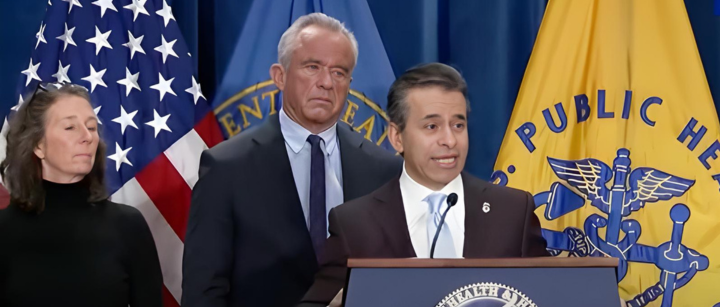

In a significant development for women’s health, the U.S. Food and Drug Administration (FDA) has recently announced the removal of black box warnings from certain hormone therapies used to manage menopause symptoms, sparking a renewed discussion among healthcare professionals. Many experts view this change as a potential turning point in the treatment landscape for menopausal women, who experience symptoms including hot flashes, night sweats, and vaginal dryness.
The FDA’s announcement, made on November 10, 2025, indicated that the revised labeling would eliminate warnings regarding increased risks of cardiovascular disease, breast cancer, and probable dementia. These warnings were initially incorporated in 2003, following results from a large clinical trial under the Women’s Health Initiative, which led to a dramatic decline in the use of menopausal hormone therapy (MHT).
Recent research has clarified that while some forms of MHT do carry risks, they can be safely used to alleviate menopause symptoms in most women, particularly those who start treatment within ten years of menopause. Notably, vaginal estrogen formulations appear to pose minimal risk.
Leading medical organizations, including the American College of Obstetricians and Gynecologists, have long advocated for the use of MHT, emphasizing the importance of individualized risk assessment to determine its appropriateness for women experiencing menopause symptoms. The FDA’s recent decision has been met with some skepticism, as officials have suggested that hormonal treatments may provide long-term cardiovascular and neurocognitive benefits, a claim yet to be substantiated by comprehensive scientific evidence.
Dr. Marty Makary, an FDA Commissioner, alongside Health and Human Services Secretary Robert F. Kennedy Jr., has presented findings suggesting substantial reductions in risks associated with cardiovascular disease and cognitive decline for women undergoing hormone therapy. However, numerous experts caution against these assertions, emphasizing that they may not represent the broader scientific consensus on the topic. Research indicates that while hormone therapies can be highly effective for managing immediate menopausal symptoms, they are not recommended solely for the prevention of chronic diseases.
The updated labeling of hormone therapies highlights the need for continued dialogue between healthcare providers and women regarding the risks and benefits associated with MHT. As the landscape of menopausal treatment evolves, improving healthcare access and education for women remains paramount to ensuring their well-being as they navigate this natural transition.
For women exploring options for managing menopause symptoms, it is crucial to engage in open discussions with healthcare providers to personalize treatment plans that align with individual health profiles and preferences.
#HealthNews #MiddleEastNews