
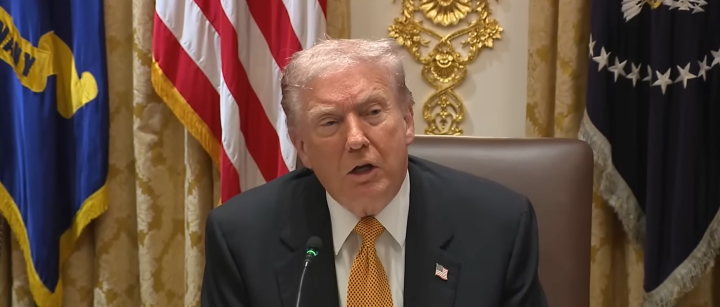

In the ongoing political landscape, recent discussions have centered around the budgetary implications of healthcare funding amid a government shutdown that began on October 1. President Donald Trump has made a notable claim—that Democrats are seeking .5 trillion for healthcare provisions for illegal immigrants. However, this assertion has been met with significant scrutiny and rebuttal from various experts and policymakers.
The figure of .5 trillion reflects the total estimated cost over a decade of a broader spending proposal initially introduced by the Democrats at the outset of the shutdown. This proposal encompasses a range of funding initiatives, including the restoration of enhanced subsidies under the Affordable Care Act and provisions aimed at improving healthcare access for immigrants who are considered “lawfully present.” This term describes a population eligible for federal assistance through programs like Medicaid, which includes lawful permanent residents, refugees, and individuals granted asylum.
The Senate has recently made progress towards brokering a deal to resolve the ongoing government impasse, as indicated by procedural votes conducted on November 9. The Democrats’ intentions appear to focus on comprehensive healthcare reform that is inclusive of various immigrant groups, which is a reflection of the party’s commitment to equitable healthcare access for all residents of the United States.
Contrary to the President’s claims, analysts assert that the amount attributed to healthcare for undocumented immigrants is misleading. Research indicates that the actual annual expenditure for emergency and other necessary medical care for undocumented individuals is significantly less than billion, primarily covering urgent conditions as mandated by federal law. Under existing regulations, hospitals are obligated to provide emergency medical services regardless of a patient’s immigration status, ensuring a safety net for vulnerable populations.
Estimates concerning the financial implications of the proposed healthcare funding largely exclude significant costs attributed to “illegal aliens.” Analysts suggest that the narratives around healthcare spending are more complex, hinging on a variety of legislative priorities aimed at comprehensive healthcare reform and humanitarian considerations.
Furthermore, the political discourse surrounding the budget proposal continues to evolve, with both sides of the aisle evaluating the long-term impacts of immigration and healthcare on national policy. As negotiations progress, stakeholders remain focused on finding a resolution that ensures continuity of essential services for all residents while addressing the critical issue of healthcare accessibility.
This nuanced debate highlights the ongoing challenges within U.S. politics, as leaders strive to navigate the intricacies of policy-making in the context of healthcare and immigration. The commitment to addressing these issues in a constructive manner reflects broader societal values that prioritize the health and well-being of diverse communities. As discussions continue, the importance of informed dialogue remains essential.
#PoliticsNews #HealthNews