
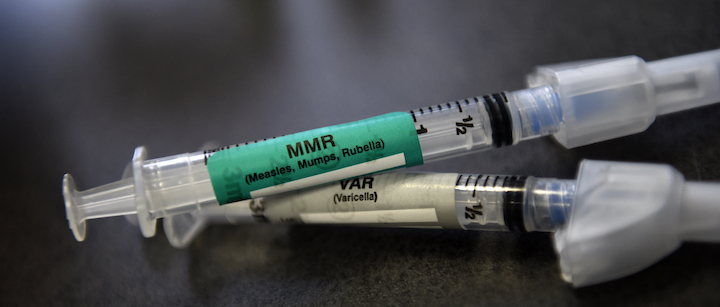

On September 18, 2025, the vaccine advisory committee for the Centers for Disease Control and Prevention (CDC) voted to modify its recommendations regarding the measles, mumps, rubella, and varicella (MMRV) combined vaccine. Historically, the introduction of vaccinations has significantly reduced the incidence of these diseases in the United States, enhancing public health and safeguarding communities.
If these recommendations are enacted by the CDC, it would result in removing the MMRV vaccine as a recommended option for children under the age of four. Typically, children receive their first dose of the individual MMR and chickenpox vaccines between 12 and 15 months. However, this new guidance allows for the continued administration of the MMR and chickenpox vaccines separately on the same day. The combination vaccine would remain advisable for the second dose, generally administered to children between the ages of four to six.
Currently, most healthcare providers favor administering the MMR and chickenpox vaccines individually, primarily due to a more favorable side effect profile associated with separate shots. Research indicates that the combined vaccine poses a slightly elevated risk of febrile seizures in very young children, a condition that, while generally transient and not debilitating, can lead to parental anxiety and emergency room visits.
The CDC’s long-standing recommendation has favored separate vaccine shots for the first doses to mitigate the potential risk, while still allowing parents the option of the combined MMRV vaccine after evaluating the benefits and risks with their healthcare provider. Critics of the new recommendation argue that it effectively strips parents of this choice, raising concerns about the need for parental autonomy in vaccination decisions.
Vaccine experts also expressed skepticism about the necessity of revisiting this issue, noting that the established framework has effectively guided vaccination practices. They question whether the panel’s recent decision addresses a genuine public health concern or simply complicates existing protocols.
The rationale behind the CDC’s preference for separate vaccinations largely hinges on the minimal risk of febrile seizures associated with the combined vaccine, despite reassurances from experts that these seizures are not linked to long-term detrimental effects. Experts contend that there is no evidence connecting MMRV or MMR vaccines to conditions such as autism, reinforcing the need for transparent communication about vaccine efficacy and safety.
This recent recommendation proposes to reposition the dialogue surrounding vaccine administration and parental choice. As the CDC continues to analyze data on vaccination practices, stakeholders emphasize the importance of clear, consistent guidance to foster public trust and ensure sustained immunization rates.
The impact of this decision on vaccination rates remains uncertain. While approximately 15% of children currently receive the MMRV vaccine as their first dose, variations exist across states. Experts warn that any significant alteration in vaccination guidance could further erode public confidence, particularly amid rising disease outbreaks where maintaining immunity is critical.
In summary, the CDC’s forthcoming decision on the MMRV vaccine will play a crucial role in shaping parental choices and public health outcomes, reaffirming the need for dialogue and collaboration in the ongoing battle against infectious diseases.
#PoliticsNews #HealthNews