

During the recent Labor Day weekend, the Democratic Congressional Campaign Committee (DCCC) launched a series of digital advertisements on social media platforms attributing the rising costs of burgers to House Republicans. This assertion, while strategically timed, oversimplifies the various factors contributing to the current increase in ground beef prices.
The uptick in prices is primarily linked to a combination of adverse environmental conditions, particularly prolonged droughts affecting cattle production, as well as fluctuations in supply chains that have been exacerbated by recent global events. While political rhetoric often surfaces during holiday seasons, many lawmakers from both parties are quick to blame each other for rising consumer prices, particularly during periods when families gather for celebrations.
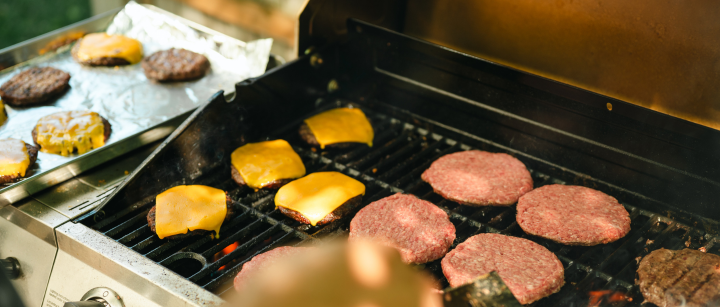
For context, the DCCC’s campaign came in response to what it deems the failure of Republicans to manage inflation effectively. By showcasing an image of a grilled burger on a toasted bun alongside the claim that “Republicans are driving up the price of burgers,” the ads are aimed at enhancing awareness among young males in districts that the Democrats hope to contest in the upcoming 2026 midterm elections. Currently, ground beef prices reflect a dramatic increase of approximately 28% compared to mid-2022 figures, which certainly merits concern among consumers.
However, attributing the responsibility for soaring beef prices solely to Congress overlooks significant economic realities. Historical data highlights that the surge in ground beef prices from an average of .89 per pound in mid-2022 to .25 as of July 2023 can be traced back to various systemic issues, many of which are beyond the control of current lawmakers. Experts cite that decisions made as far back as 2020, coupled with ongoing challenges like the COVID-19 pandemic and geopolitical tensions, play critical roles in shaping today’s economic landscape.
In addition to historical drought conditions in the U.S., which have led to a shrinking cattle herd, new regulations such as the suspension of live cattle imports from Mexico due to health concerns introduce compounding challenges that further elevate meat prices. These tariffs and trade measures could influence future beef costs and reflect a broader international dimension tied to food supply chains.
The DCCC plans to persist with its narrative, emphasizing that current Republican leadership has yet to fulfill promises of reducing living costs, effectively holding them accountable for perceived inaction.
Nevertheless, it is essential to recognize that the underlying factors contributing to the rise in burger prices involve a complex interplay of climate, market dynamics, and regulations rather than a straightforward political failure.
#PoliticsNews #WorldNews