

In recent months, the discourse surrounding economic performance, particularly inflation and consumer prices, has intensified as various political leaders weigh in on the issue. This discussion has become particularly salient as both Republicans and Democrats offer conflicting assessments of the economic landscape, often highlighting selected consumer products to bolster their arguments.
The dynamics of inflation and prices are complex, with numerous variables influencing changes beyond the policies initiated in the early months of the current administration. Economists suggest that while political leaders may attempt to credit or blame specific actions for shifts in economic conditions, these evaluations often oversimplify a multifaceted issue.
Former President Donald Trump recently championed economic progress, asserting that business confidence is high and inflation is minimal. He expressed optimism about the economy during a gathering at the White House Faith Office, proclaiming significant successes in reducing inflation and boosting incomes. In stark contrast, Democratic leaders have painted a bleaker picture, asserting that costs for American families continue to rise without signs of improvement.
The topic of inflation is pivotal as the 2024 election approaches. Since the onset of the COVID-19 pandemic, inflation has seen notable spikes, including a staggering 9.1% increase in the Consumer Price Index (CPI) within a 12-month period ending in June 2022. Recent data indicates that the annual CPI has moderated, falling below 3% in the months leading up to Trump’s potential return to the White House.
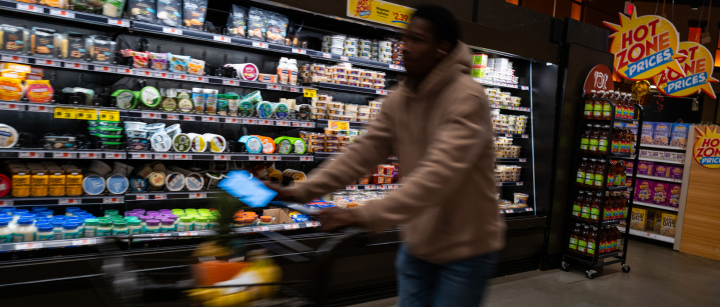
Discussions surrounding essential products, such as groceries, have taken center stage as political figures make their claims. Trump recently noted high grocery prices during a campaign event, suggesting that a new administration would swiftly address these issues. Conversely, Democratic leaders have critiqued Trump for raising costs while asserting the importance of clear communication to the public regarding price hikes in everyday goods.
In examining national trends, recent figures demonstrate that grocery prices have experienced a slight increase over a six-month period, highlighting ongoing economic complexities. The ripple effects of environmental challenges and global events have continued to influence staple prices significantly.
Additionally, the national average price of gasoline has largely remained stable under Trump’s second term, reflecting broader trends in commodity costs influenced by international markets. Analysts predict that market dynamics will dictate future energy prices, emphasizing that governmental policies have limited direct impact on prices at the pump.
In conclusion, the interplay of political rhetoric and economic realities presents a nuanced view of the current inflation landscape. As both parties prepare for the upcoming electoral battle, the discourse will likely continue to evolve, reflecting the complexities of a world where economics is intertwined with politics.
#PoliticsNews #BusinessNews