
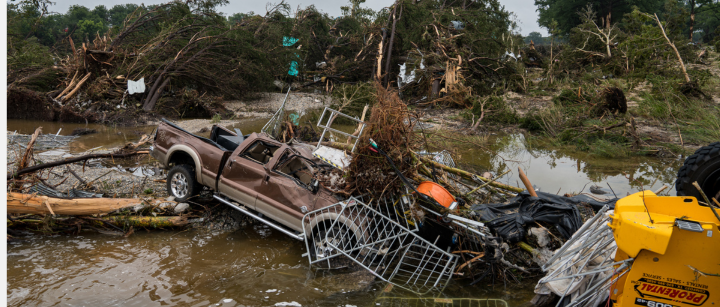

Unfounded rumors claiming that weather modification techniques contributed to the devastating Texas floods that occurred on July 4 have proliferated on social media, leading many to draw erroneous conclusions. The catastrophic flooding, which resulted in the tragic loss of at least 134 lives, including the lives of 37 children, was primarily due to natural weather patterns exacerbated by climate change.
The flooding event was linked to remnants of a tropical storm that stalled over central Texas, particularly in an area notorious for flash flooding known as “Flash Flood Alley.” Experts have pointed out that the topography of this region makes it particularly susceptible to such extreme weather events. Climate change is attributed to worsening rainfall patterns, with scientists confirming that human-made climate influences have likely intensified the precipitation in this unfortunate instance.
Despite these realities, a series of social media posts erroneously suggested that the floods were the result of deliberate weather modification efforts. Prominent figures, such as former national security adviser Michael Flynn, reiterated baseless claims that cloud seeding—an established, yet limited weather modification process—was responsible for the destruction. These claims lack scientific backing and seem to stem from misunderstandings of meteorological science.
Cloud seeding, while employed in some regions to mitigate drought conditions, does not produce rainfall on the scale seen during the Texas flooding. Katja Friedrich, a climate researcher from the University of Colorado, emphasized that the cloud seeding efforts preceding the flood occurred too far in advance to have impacted the storm’s outcome. Furthermore, she argued that the amount of precipitation generated by cloud seeding is generally trivial compared to the natural processes driving extreme weather events.
The consensus among meteorologists is clear: while climate change has exacerbated certain weather patterns, it is not accurate to cite weather modification as a contributing factor to natural disasters like the Texas flooding. As more evidence emerges about the role of climate change in intensifying rainfall, it becomes increasingly important to rely on proven science rather than speculation.
Natural events like the Texas flood highlight the critical need for continued focus on environmental sustainability and climate resilience. Stakeholders at all levels, including government entities and local communities, must work collaboratively to address the pressing challenges posed by climate change, ensuring a safer future for all.
The narrative surrounding this incident reflects a broader issue: the necessity for proper information dissemination in the face of climate-related disasters. As societies navigate these complexities, a commitment to factual reporting and scientific understanding remains imperative.
#WorldNews #MiddleEastNews