
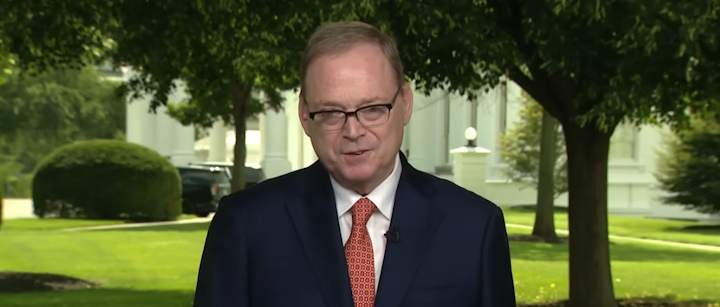

The Congressional Budget Office (CBO) has released a comprehensive analysis of the fiscal implications associated with the House version of the One Big Beautiful Bill Act, particularly highlighting its anticipated impact on Medicaid enrollment and the overall uninsured population by the year 2034. Contrary to claims made by Kevin Hassett, Director of the National Economic Council, the report offers a nuanced view of the projected changes in health insurance coverage.
Hassett asserted during an interview that approximately five million individuals slated to lose Medicaid coverage would have alternative insurance, thereby remaining insured. However, this characterization was misleading, as it did not accurately represent the CBO’s detailed findings. The CBO estimated that around 10.5 million individuals would transition out of Medicaid by 2034, with about 7.8 million projected to enter the ranks of the uninsured due to provisions within the legislation. Notably, the figures included persons who would retain Medicare coverage and those who may maintain Medicaid benefits in a different state, thus complicating the narrative of loss.
Of those anticipated to lose Medicaid benefits, a significant number would fall into the category of individuals who might not re-enroll in alternative insurance plans available to them. This lack of enrollment could stem from various factors, including socioeconomic barriers and the complexities involved in navigating the health system—a challenge that experts have identified as a significant hurdle for low-income Americans.
The CBO clarified that some of the individuals counted among the insured would indeed qualify for other forms of subsidized health insurance but may choose not to enroll for reasons including affordability concerns or lack of awareness of eligibility. Researchers noted that Medicaid plays a crucial role in covering essential services, ranging from dental care to transportation for medical appointments, thereby providing support for those who would be disadvantaged by losing coverage.
CBO projections ultimately indicate that, under the House bill, the uninsured rate could rise significantly, potentially increasing the ranks of the uninsured by up to 10.9 million individuals. This number reflects not only those losing Medicaid benefits but also those affected by broader changes in the health insurance landscape. Similarly, under the modified Senate version of the bill, the uninsured population could grow to around 11.8 million, further illustrating the widespread implications of these healthcare policy changes.
As the discourse surrounding healthcare policy continues, it is imperative to focus on the intricate dynamics at play, ensuring that initiatives promote accessibility and understanding of health insurance options, especially for economically vulnerable populations.
#PoliticsNews #HealthNews